Climate Resilience Analysis: 5 Practical Tips
Blog
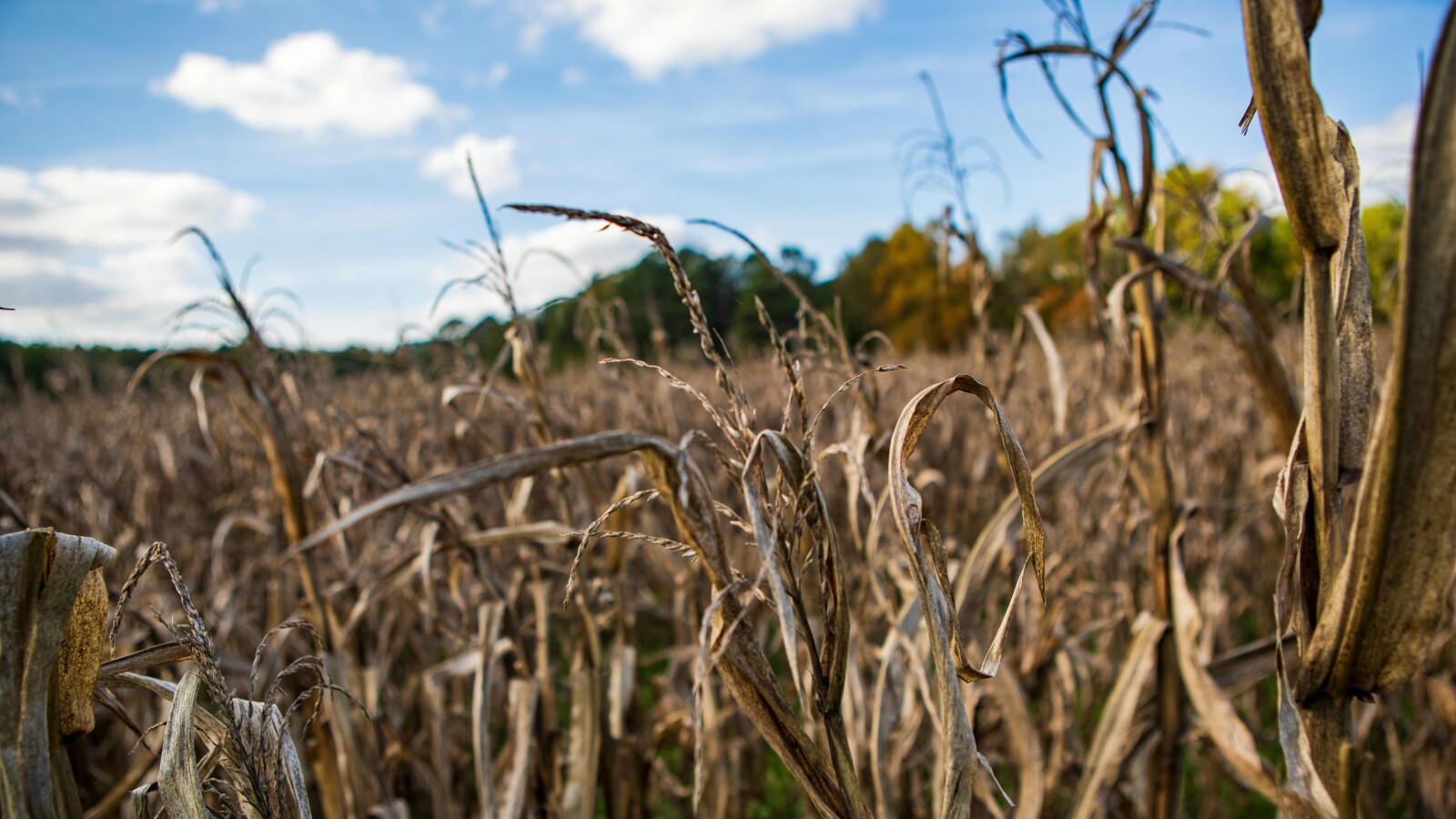
Climate risks are no longer abstract scenarios, as explained in our first climate blog. Companies around the world are suffering damage from climate change, including in the Netherlands. Insurer Achmea reported lower operating profit in the first half of 2026 due to the extreme hail and storm damage in June. And Dutch farmers are facing small harvests this year because of drought and irrigation bans. The energy transition also brings risks. For example, many companies are unable to expand due to grid congestion. A climate resilience analysis helps you map the risks for your organization, both for your own organization and for your company's stakeholders.
Meeting stakeholder information needs and the CSRD
Because the risks are significant, stakeholders such as shareholders, banks, insurers, and customers want to know the financial risks facing the companies they finance or insure. They also want to know what those companies are doing to reduce the risks of climate change. A climate resilience analysis meets this need for information. That is why the climate resilience analysis is a requirement under the CSRD, including in the new simplified version published this summer.
What is a climate resilience analysis?
A climate resilience analysis of your organization answers the following questions:
- Are there climate hazards (such as extreme rainfall) that have, or could have, a substantial impact on your organization's assets and business activities?
- Are there risks and opportunities from the energy transition that have, or could have, a substantial impact on your organization's assets and business activities?
- How resilient are your organization's strategy and business model to the identified climate risks? Sub-questions include: how able is the organization to adapt its strategy and business model to climate change in the short, medium, and long term? And how does your organization's climate transition plan contribute to its resilience?
Climate resilience analysis: five tips
At TOSCA, we have supported many organizations in carrying out their climate resilience analysis in recent years. Based on this experience, we are happy to share five tips:
1. Use climate scenario analyses
A climate resilience analysis starts with mapping potential climate hazards. Existing scenario analyses can be very helpful here. Using climate scenarios is no longer mandatory under the revised ESRS of the CSRD, but it is still very useful. For the Netherlands, you can use the KNMI'23 climate scenarios and the Klimaateffectatlas (Climate Impact Atlas). The climate hazards for the Netherlands are sea level rise, a greater chance of extreme rainfall, more rainfall in winter, and heat waves and prolonged drought in summer. Many other European countries have developed similar analyses, which you can use if you have operations in those countries.
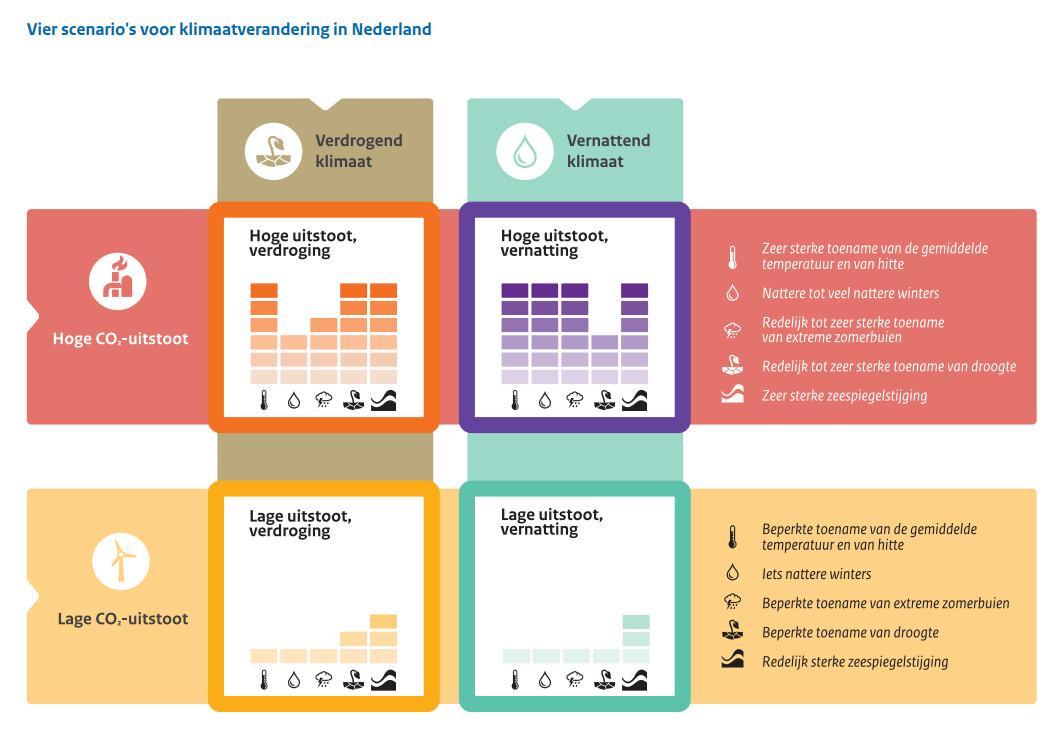
Four climate scenarios for the Netherlands (source: KNMI)
2.Use the TCFD guidance
The TCFD (Task Force on Climate-related Financial Disclosures) previously published guidance on conducting climate scenario analysis for non-financial companies (Guidance on Scenario Analysis for Non-Financial Companies). Among other things, it lists potential risks and opportunities of the energy transition that you can assess within your company. Possible risks include higher raw material costs and costs of technological adjustments. In practice, we also often see opportunities, such as new or additional services.
3. Interview internal experts with knowledge of the entire value chain
To identify potential climate hazards, it is useful to interview internal experts who represent your company's entire value chain, for example procurement, operations, facilities, and sales. During the interview with sales, it is also worth discussing the opportunities of the energy transition.
4. Bring people along
During conversations with colleagues, take plenty of time to explain the purpose and the different time horizons. Many employees are not used to looking far into the future. These interviews therefore also help raise awareness of climate hazards.
5. Align with the double materiality assessment
The climate resilience analysis provides valuable input for the double materiality assessment, and both can be reviewed at the same time. To determine the likelihood and magnitude of climate hazards, you can use the same scale as in the double materiality assessment, for example a five-point scale for magnitude to estimate financial risk.
Need support with your climate resilience analysis? Please contact Christien Pennings.
Back to news